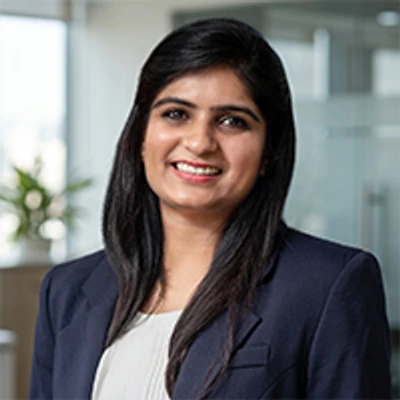
Sensei Founder Ashish Roy Talks Metal Building Technology Live with MetalCoffeeShop at METALCON 2026

At METALCON 2026 in Orlando, Sensei Founder and CEO Ashish Roy joined MetalCoffeeShop on its live soundstage to discuss the changing role of 3D configurators, customer engagement, dealer-manufacturer collaboration, and the future of digital metal-building sales.
METALCON is always a good place to see where the metal-building industry is heading next.
This year, one of the clearest themes on the show floor was technology.
From design and estimating to engineering and customer experience, digital tools are becoming more deeply connected to the way metal buildings are sold and delivered.
That was the focus of a live conversation between Sensei Founder and CEO Ashish Roy and MetalCoffeeShop’s Heidi Ellsworth during METALCON 2026 in Orlando.
Speaking from the MetalCoffeeShop soundstage, Ashish shared how Sensei has evolved its 3D configuration technology over the last five years, what manufacturers and dealers are asking for today, and why the future of metal-building technology is about more than simply creating a realistic 3D model.
Watch the Full MetalCoffeeShop Conversation
The discussion covered everything from customer engagement and manufacturer-specific building logic to CAD output, design accuracy, and the growing complexity of the metal-building market.
Here are some of the biggest takeaways from the conversation.
1. The 3D Configurator Is Becoming More Than a Visualization Tool
Ashish began by explaining Sensei’s work with manufacturers and dealers across the light-gauge steel industry.
Sensei builds 3D configurators that integrate manufacturer pricing and structural logic, then connects those configurators to manufacturer and dealer websites.
According to Ashish, Sensei has been developing these systems for approximately five years and now has nearly 600 live clients.
But one of the most important points in the interview was that the configurator is only the beginning.
“The 3D configurator is where the customer designs, and Sensei Office is where the work gets done.”
That line captures the direction Sensei has been moving toward.
A customer may begin by visually creating the building, but the information should not stop there.
The same project can continue into the sales process, where dealers and manufacturers can review it, modify it, work with the quote, and move the opportunity forward.
That is a major difference between a standalone visualizer and a connected sales platform.
2. Getting the Customer, Dealer, and Manufacturer on the Same Page
During the interview, Heidi asked about one of the biggest advantages of using digital design earlier in the process.
Ashish’s answer was simple:
“Everyone is on the same page—the consumer, the guy who’s selling, the dealer, and the manufacturer.”
That matters because metal-building projects change.
A customer might start with one door configuration and then decide they need a larger opening.
They may add windows.
They may change the slope.
They may decide on vertical panels.
They may alter dimensions after seeing the building in 3D.
Those changes are normal.
The challenge comes when each change has to be communicated manually through different people and different systems.
A connected configuration gives everyone a shared reference point.
Instead of trying to interpret what the customer meant, the salesperson can see what the customer actually designed.
The dealer and manufacturer can work from the same project.
That can make the entire conversation clearer.
3. Customers Become More Invested When They Can Participate
Another important part of the discussion focused on customer engagement.
Ashish said people using Sensei configurators can spend more than eight minutes on a website.
That is meaningful engagement.
Customers are not simply looking at a photo and moving on.
They are choosing colors.
Changing trim.
Adjusting doors.
Matching a roof or building color to an existing property.
Exploring different configurations.
And as Ashish explained, that participation creates a stronger connection to the project.
When someone is making a significant purchase, being able to see and influence the finished product can make the decision feel much more real.
The customer becomes part of the design process.
For the salesperson, that also means the conversation can begin with far more context.
4. Good Configuration Technology Should Help Customers Avoid Mistakes
One of the best practical examples in the interview involved something as simple as a walk-in door.
Ashish explained that if a customer places a door directly where a structural post sits, that placement may create additional framing requirements or extra cost.
Rather than waiting until later in the process to discover the issue, the configurator can warn the customer and suggest repositioning the door.
That is an important distinction.
A basic configurator tells the customer what the building looks like.
A more advanced configurator understands the rules behind the building.
It knows that certain placements may create conflicts.
It understands that some choices affect pricing.
It can guide the customer toward a better decision before the project reaches the next stage.
This is where manufacturer-specific logic becomes extremely important.
5. Manufacturer Rules Need to Be Built Into the Experience
Every manufacturer has its own way of doing things.
Product options vary.
Pricing varies.
Engineering rules vary.
Available building configurations vary.
That means one generic configurator cannot accurately represent every manufacturer.
Ashish explained that Sensei’s technology is designed around those specific requirements.
“We have the technology to build any customizations that our manufacturers require, and we are able to build them in weeks, not months.”
For manufacturers, this means the digital experience can reflect how their buildings are actually sold and produced.
For dealers, it means they can work with a tool that understands the products they are representing.
And for customers, it means fewer surprises later.
6. The Digital Building Can Continue Beyond the Sales Team
One of the most interesting moments in the MetalCoffeeShop conversation came when the discussion moved into engineering.
Ashish explained that Sensei can provide both PDF output and CAD file output from the configured building.
That makes the digital model useful beyond the initial sales conversation.
For example, an engineer can see where a door is located, how far it sits from a wall, or whether it is centered on a gable end.
Instead of starting again from a screenshot or handwritten note, downstream teams can work from clearer project information.
That creates a more direct connection between what the customer designed and what eventually needs to be engineered and built.
7. Metal Buildings Are Getting Bigger and More Complex
Ashish also reflected on how much the market itself has changed.
When Sensei began working in the space, many buildings were relatively simple structures.
Today, customers expect much more.
Buildings are larger.
Designs are more customized.
There are more doors, more windows, more panel choices, more roof options, and more sophisticated engineering requirements.
The market has also expanded well beyond simple carports and garages.
Sensei has moved into the shed and storage-building market and is now developing technology for red-iron buildings as well.
That growth is important because the more complex the product becomes, the more valuable an accurate digital workflow becomes.
8. The Future Is About Connecting the Entire Journey
The clearest takeaway from the MetalCoffeeShop discussion was that 3D configuration is becoming part of a much larger workflow.
A customer starts with a building idea.
They configure it.
That design becomes a lead.
The lead becomes a quote.
The customer makes changes.
Pricing updates.
The dealer works with the manufacturer.
Project information can continue toward engineering.
The important part is not any single step.
It is the connection between those steps.
That is the direction Sensei is building toward.
Not simply a tool that makes a building look good on a screen, but a system that helps carry the building from the customer’s first idea deeper into the sales and operational process.
A Great Conversation From the METALCON Show Floor
The MetalCoffeeShop interview gave attendees and viewers a closer look at how Sensei sees the next stage of digital selling in the metal-building industry.
It also reinforced something we hear regularly from manufacturers and dealers:
Customers expect better digital experiences, but businesses also need those experiences to connect with the way they actually operate.
That is where the opportunity lies.
Better visualization.
Smarter building logic.
More useful customer information.
Clearer collaboration.
And fewer disconnected steps between the customer’s idea and the final building.
Watch Ashish Roy’s Full MetalCoffeeShop Interview
If you missed the live conversation from METALCON 2026, watch the full discussion with Ashish Roy and Heidi Ellsworth to hear more about Sensei’s 3D configurators, manufacturer integrations, CAD output, customer engagement, and the future of metal-building sales technology.
Want to see how Sensei works for your business?